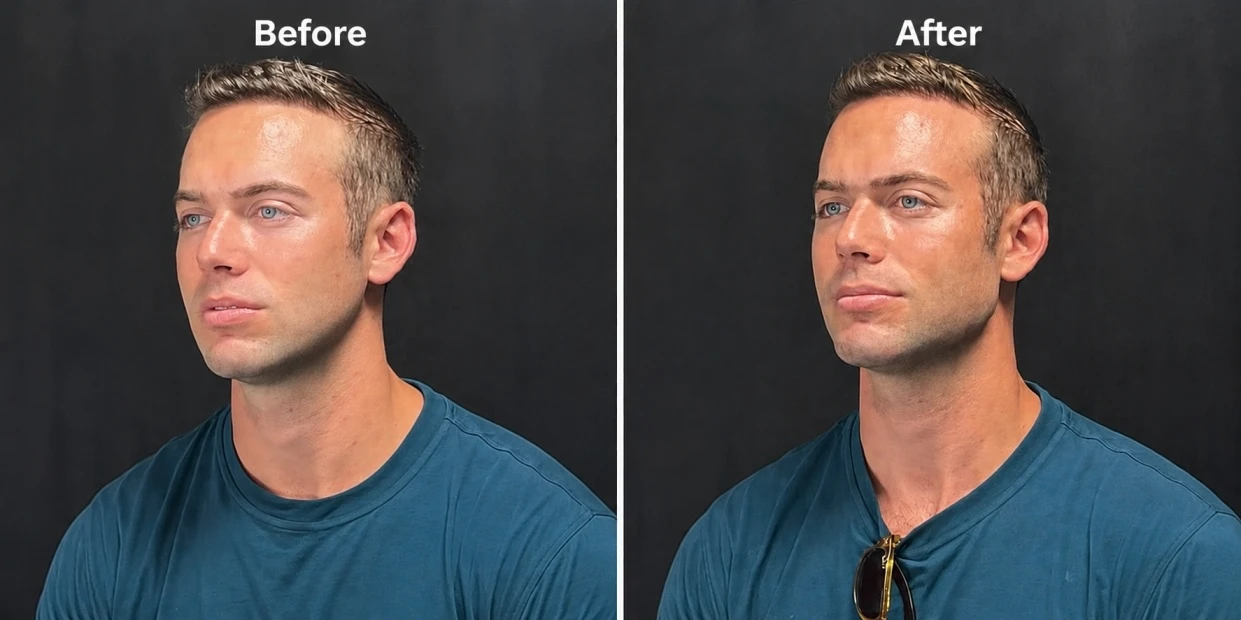
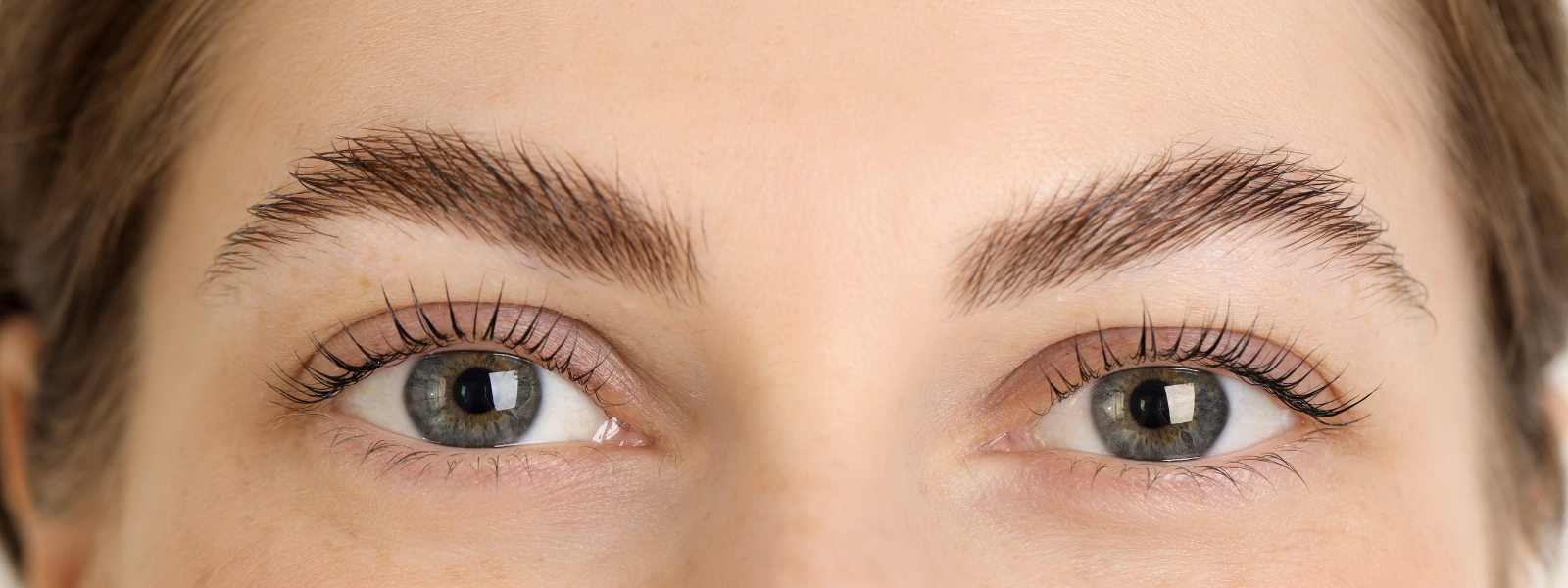
An eyebrow lift, often called a brow lift, is a cosmetic procedure designed to raise the position of the eyebrows and smooth the forehead area. It helps reduce signs of aging such as drooping brows, forehead wrinkles, and a tired or heavy-looking appearance around the eyes.
One of the most common questions people ask when considering this procedure is: “What is the best age to get an eyebrow lift?” The truth is, there is no single perfect age. The right time depends more on your facial anatomy, skin elasticity, and aesthetic goals than on a specific number.
This article explains when people typically consider a brow lift and how to determine if it might be the right time for you.
A brow lift — also called a forehead lift — surgically repositions the brow and the tissue above it. The skin and underlying muscle of the forehead are lifted, excess skin is removed, and everything is reset higher and tighter than gravity had pulled it.
The result is a more open, alert look around the upper face. Horizontal forehead lines smooth out. The deep line between the brows relaxes. And even the brow is in a position that does not make the person appear to be tired and heavy-lidded or older than they are.
It is worth distinguishing this from eyelid surgery. Blepharoplasty addresses the upper eyelid skin. A brow lift addresses what’s above the eye — the brow position and the forehead. The two are often done together because drooping brows push skin down onto the lid, which makes an eyelid problem look worse than it actually is. Fix the brow first, and sometimes the lid issue resolves itself.
Most people in their 30s don’t need a brow lift. But some do.
Genetics plays a bigger role in brow position than most people realize. Some faces are simply built with a lower natural brow — flat across the top, with little arch, sitting close to the orbital rim. When that’s the starting point, even mild descent with age can make the upper face look heavy and closed off.
People who inherited this tend to raise their brows unconsciously throughout the day just to see comfortably. Over time, that constant frontalis muscle activity creates horizontal forehead lines that look out of place on someone in their 30s.
For these patients, a brow lift surgery isn’t premature. It’s addressing a structural situation that was always there — it just became harder to manage as the skin lost a little elasticity.
At this age, non-surgical procedures such as Botox or PDO threads are usually tried first, and in mild cases, it is worth trying. But they have real limits, especially for structural brow position.
The 40s are when brow descent starts showing up clearly for most people. Collagen synthesis slows down, and the skin is no longer elastic, and the forehead tissue that used to lie perfectly well in its place over the decades starts to move.
What tends to happen: the outer third of the brow drops first. This gives the upper face a slightly heavy, slightly angry look — even when the person is completely relaxed. The forehead acquires regular horizontal lines due to the constant lifting of the eyebrows to compensate. The eyelids appear heavier than before.
The forehead acquires regular horizontal lines due to the constant lifting of the eyebrows to compensate. The eyelids appear heavier than before. The skin still has reasonable elasticity, recovery tends to go smoothly, and the change holds well for years.
The 40s are also when combining a brow lift with eyelid surgery or injectables makes the most practical sense — addressing several things in one recovery window rather than staggering procedures.
A lot of people assume that waiting too long means the window has closed. It hasn’t.
Brow lift cases represent a huge percentage of patients in their 50s and 60s in this practice. The descent of the brows is more significant at this age and, therefore, the post-operative change is more evident and more gratifying.
The main considerations shift slightly. The skin elasticity is less, and the skilled cosmetic surgeon should consider it. The recovery might be a bit slow. And a brow lift coupled with other cosmetic surgery procedures like facelift, eyelid surgery, and fat transfer becomes more widespread as several areas have changed at the same time.
None of this makes the procedure less appropriate. It just means the consultation needs to be thorough and the plan needs to match the actual degree of change.
Across every age group, the things that actually determine whether a brow lift is the right move are:
Two people the same age can have completely different candidacy profiles. And two people a decade apart can be equally good candidates. The evaluation has to look at the actual face in front of the surgeon, not just the number on the intake form.
In case of mild brow descent or early change, the non-surgical methods should be tried first before surgery is committed:
Non-surgical options have real limits. When the brow has dropped significantly, when the forehead skin is noticeably loose, or when previous non-surgical treatments haven’t produced the change the patient was hoping for, surgery is usually the clearer path.
A surgical brow lift produces a structural change. It repositions tissue, not just relaxes or fills it. That’s a different category of result, and for the right patient, it’s the only thing that actually gets there.
Brow lifts at this practice are performed under local anesthesia with sedation — no general anesthesia required for most patients. The methodology applied relies on the height of the hairline, the level of descent and the objectives in particular.
Endoscopic brow lifts involve small cuts made on the hairline and the utilization of a camera to lift tissue without scarring. This is effective on patients with normal or low hairline and moderate eyebrow ptosis.
In the case of patients whose hairline is higher or their descent is greater, an alternative method can be employed to prevent the further elevation of the hairline, but at the same time provide a significant lift.
Recovery: expect bruising and swelling for 1 to 2 weeks. By the 2-week mark, most patients feel comfortable being seen socially. Full settling of the result takes 2 to 3 months.
Results from a surgical brow lift typically last 5 to 10 years. Aging continues from the new baseline, but the repositioning itself holds.
When done correctly, no. The goal is a rested, alert appearance — not an overcorrected, frozen one. The problem of over-elevation is not an unavoidable consequence and is a technical mistake. The easiest way of determining whether the results of a surgeon appear to be natural is to review his before-and-after gallery.
It is indeed one of the more prevalent reasons why patients in their late 40s and 50s begin to think of brow lift surgery. When injectables that are used to produce a clear result are no longer doing much, it usually means the structural change has progressed past what a temporary relaxer can address. That’s a reasonable signal that it’s worth having a surgical consultation.
Often, yes. Brow position affects how the upper eyelids look, so blepharoplasty and brow lifts are frequently done together. For patients making broader changes, combining with a facelift or facial fat transfer in the same recovery window is common. The consultation is where the right combination gets sorted out based on what the face actually needs.

ROYAL COLLEGE OF
SURGEONS

MEDICAL UNIVERSITY OF SOUTH
CAROLINA

UNIVERSITY OF SOUTHERN
CALIFORNIA

AMERICAN ACADEMY OF
COSMETIC SURGERY

AMERICAN SOCIETY OF
LIPOSUCTION SURGERY