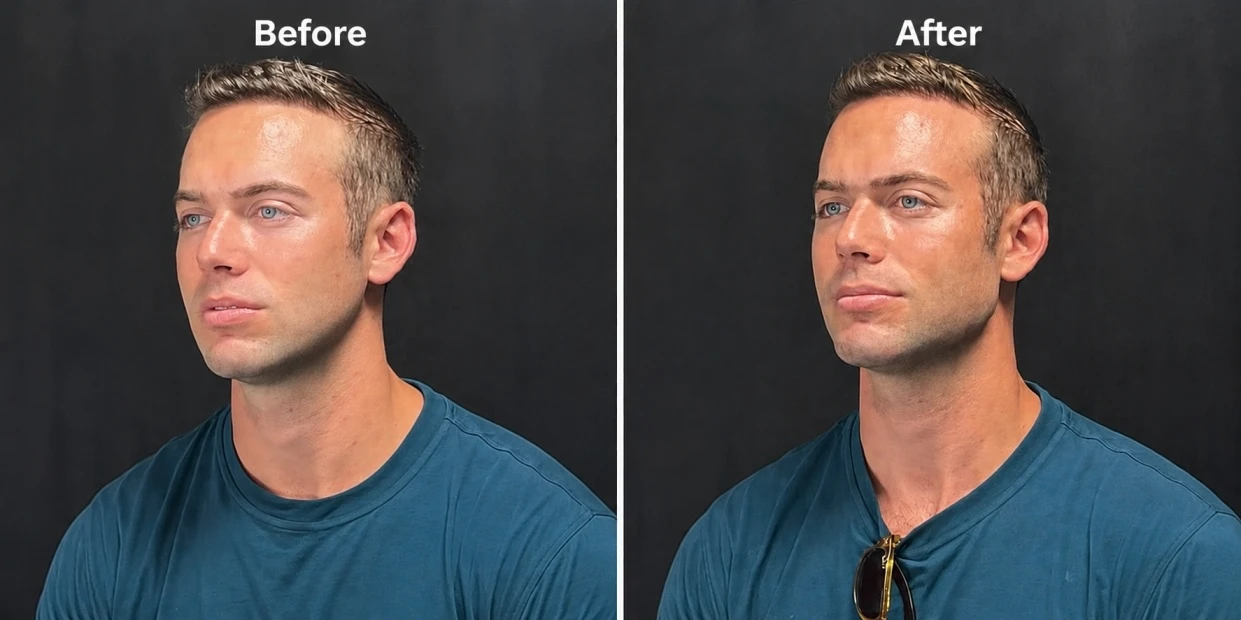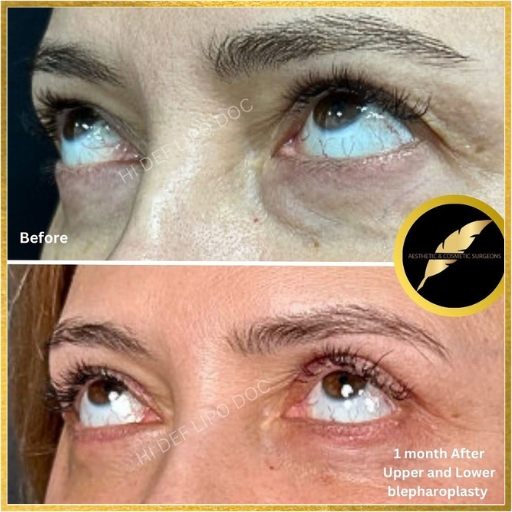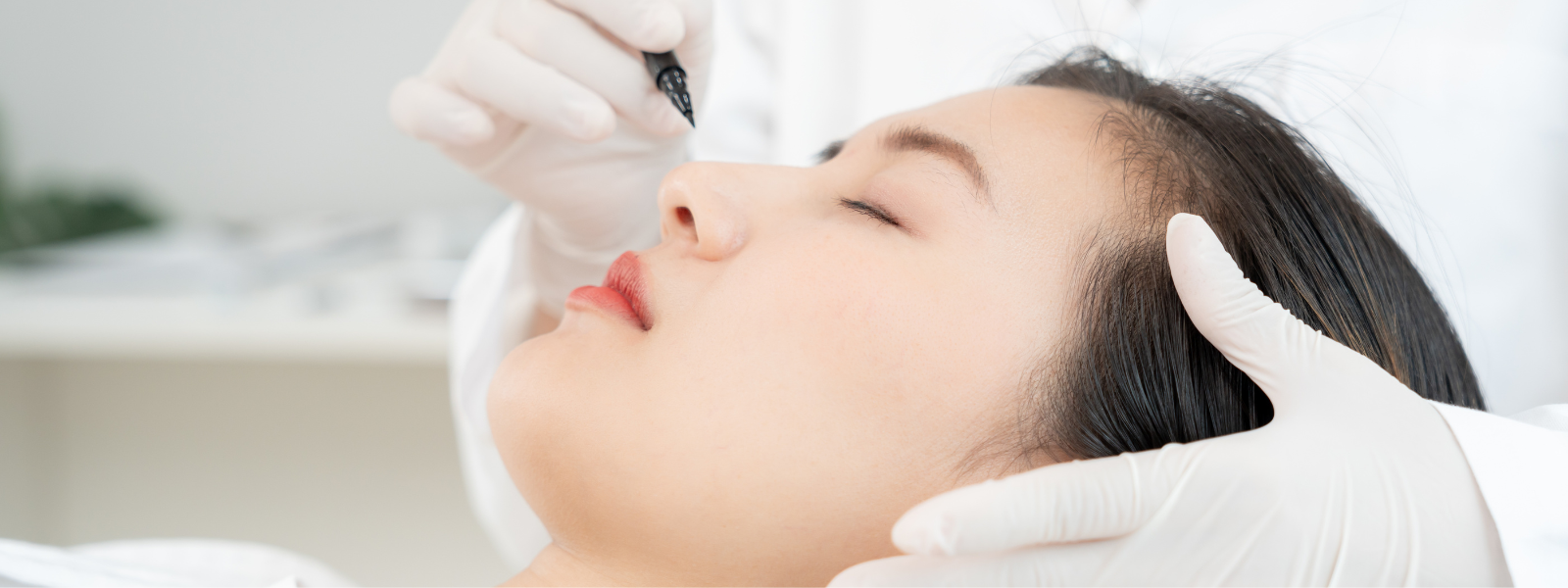


Blepharoplasty, commonly known as eyelid surgery, is a widely used cosmetic and functional procedure that aims at rejuvenating the eyes by eliminating excess skin, fat or muscle from the upper and lower eyelids. Although the surgery is not time-consuming, the most popular question that arises is about recovery among patients, especially bruising, swelling, downtime, and when they may start using makeup.
This step-by-step guide explains the blepharoplasty recovery timeline, answers common concerns, and gives you some practical tips that are easy to follow and make the healing process quick and successful.
Eyelid surgery usually has a smooth recovery, but it happens in stages. Understanding what’s normal at each stage minimizes anxiety and creates realistic expectations.
What you may experience:
Care tips:
This stage is all about rest and protection.
Good news:
At the end of the first week after eyelid surgery, the swelling begins to decrease, and the sutures can be removed if non-dissolvable stitches have been employed. If dissolvable sutures are used, then they will automatically vanish.
Pro tip:
Light exercise is promoted to enhance circulation, but you should avoid bending, lifting, or heavy exercises.
During this period of time, most individuals come back to work, social events, and light routines.
Within one month, you can see results, although results may take up to 3 months.
Makeup is one of the queries patients raise most of all, which is quite understandable.
Using waterproof mascara and heavy eye makeup until you are fully healed is strictly prohibited.
When we talk about the Blepharoplasty Recovery timeline, it is a long process. These tips can support a smoother recovery:
Timely communication leads to recovery, which is safe and optimal.
Blepharoplasty recovery timeline is shorter and easier compared to most of the facial surgeries like rhinoplasty or facelift surgery, when proper aftercare is administered. Bruising and swelling are a part of the process, but they pass as the fresh and younger eye appearance is formed.
With the knowledge of Blepharoplasty recovery timeline, makeup safety, and healing tips, you can move through the recovery process with confidence and clarity.
Seeking expert guidance for eyelid surgery in Los Angeles? Dr. Jain is a skilled blepharoplasty surgeon known for offering natural, harmonious results with a meticulous and individualized approach. Each treatment plan customized by Dr. Jain is thoughtfully designed to align with facial anatomy, ocular function, and aesthetic objectives of the patient. From comprehensive consultation to attentive post-operative care, Dr. Saurabh Jain prioritizes safety and refined outcomes that enhance appearance without appearing overcorrected.
How long does swelling last after blepharoplasty?
The majority of the swelling disappears in 2-3 weeks, but the residual swelling takes another 6 weeks.
Can I hide bruises after eyelid surgery?
Yes, once the incisions have healed (10-14 days), concealer and makeup can safely camouflage bruising.
When will I see the final blepharoplasty results?
The very initial results are seen after 2-3 weeks, but the final results can take up to 3 months.

ROYAL COLLEGE OF
SURGEONS

MEDICAL UNIVERSITY OF SOUTH
CAROLINA

UNIVERSITY OF SOUTHERN
CALIFORNIA

AMERICAN ACADEMY OF
COSMETIC SURGERY

AMERICAN SOCIETY OF
LIPOSUCTION SURGERY