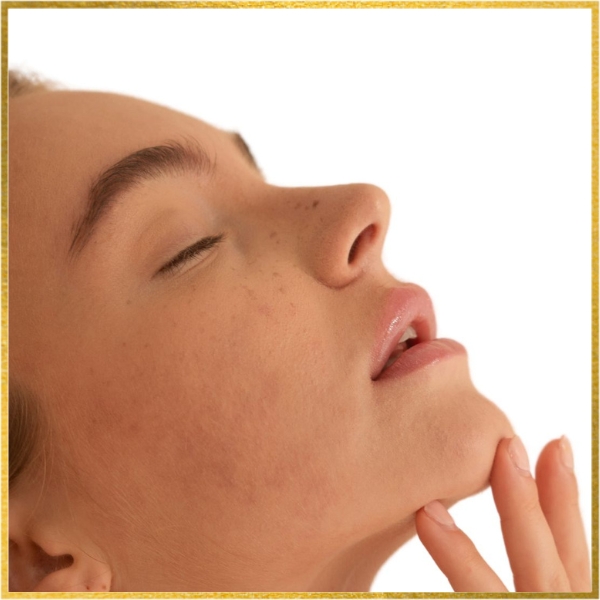
Rhinoplasty Procedure (Nose Job)

Written by: Aesthetic & Cosmetic Surgeons Editorial Team

Medically Reviewed by: Dr. Saurabh Jain, MD, FAACS (Last Updated: June 19, 2026)

Rhinoplasty procedure, commonly known as a nose job, is one of the most transformative and life-enhancing procedure in cosmetic surgery. When the procedure is performed well, it offers natural results that last a lifetime. And when the decisions are made carefully, the cosmetic surgeon is chosen correctly, it consistently delivers one of the highest satisfaction rates in facial surgery.

Dr. Saurabh Jain, MD, FAACS, a board-certified cosmetic surgeon and Fellow of the American Academy of Cosmetic Surgery at Aesthetic and Cosmetic Surgeons in Los Angeles, performs rhinoplasty procedures for both cosmetic and functional purposes, improving the appearance of the nose, correcting structural issues that affect breathing, and addressing both in a single procedure. Every nose job treatment plan is built around the individual patient's anatomy, concerns, and goals.

*Important note: All information on this page is general and educational. Anyone considering rhinoplasty surgery in Los Angeles should consult Dr. Saurabh Jain, who can assess your individual anatomy, medical history, and suitability for the procedure.

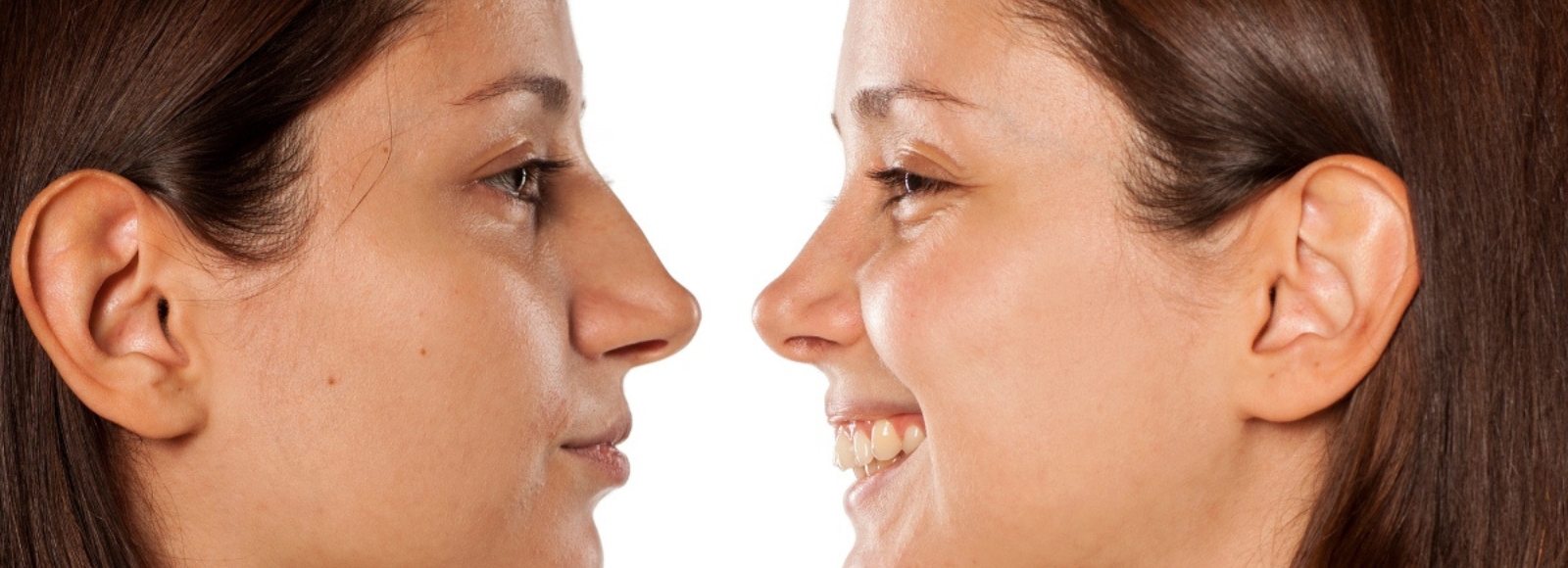
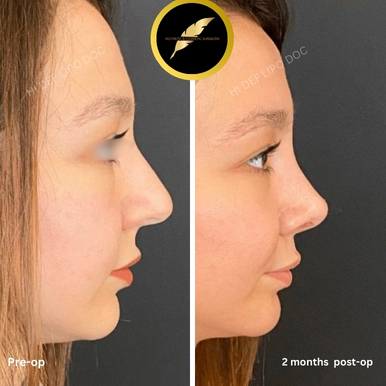
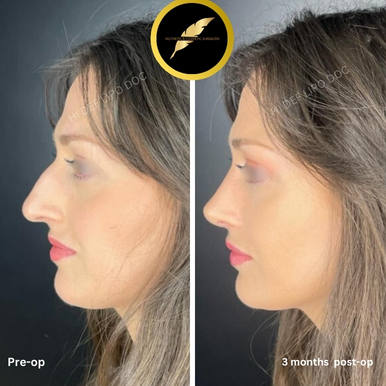
Before & After Result Photos

BOOK AN APPOINTMENT
Open Rhinoplasty Procedure

Open Rhinoplasty, also known as external rhinoplasty, involves a small incision across the columella (the strip of tissue between the nostrils at the base of the nose). This incision allows the surgeon to lift the skin and work with full direct visibility on the underlying cartilage and bone.

Open rhinoplasty is used when the case requires a higher level of precision and access. It is used when the procedure involves complex structural changes, significant reshaping of the tip, correction of asymmetry, revision procedures, or cases where the rhinoplasty surgeon needs complete visibility to achieve the desired outcome safely.

The columella incision is small and remains in a position where it becomes essentially invisible once properly healed. Patients who need the precise work are better served by the open approach. Dr. Jain recommends the solution based on what the patient's anatomy and goals require.

Closed Rhinoplasty Procedure

Closed Rhinoplasty, otherwise known as endonasal rhinoplasty or camouflaged rhinoplasty, is a minimally invasive approach. It keeps all the incisions inside the nostrils. There is no external scarring. It is used when the procedure involves reducing a bridge bump, making modest tip refinements, or adjusting proportions that can be achieved through internal incisions alone.

The advantages of closed rhinoplasty include slightly shorter surgery time and, in many cases, faster recovery. For cases that require less complex work, closed rhinoplasty delivers better outcomes.

Closed Rhinoplasty Procedure

The Benefits Of Rhinoplasty

Rhinoplasty addresses both presence and functionality. The benefits experienced by patients include:

  1. Improved breathing: Correcting structural issues, including a deviated septum, enlarged turbinates, and nasal valve collapse through functional rhinoplasty, improves breathing in a way that no medication or non-surgical treatment can imitate.
  2. Better facial balance: A disproportionate nose (too large, too prominent on the bridge, asymmetric) affects how the whole face looks. Rhinoplasty that brings the nose into better proportion with the chin, forehead, and surrounding features offers results that look harmonious rather than altered.
  3. Long-lasting results: Unlike injectables or non-surgical treatments that require maintenance, the structural changes made during nasal surgery are permanent. The result improves as swelling resolves over the following months and remains stable for years.
  4. Improved confidence: For patients who have been self-conscious about their nose for years, the change in confidence after a nose job is consistently one of the outcomes they value most.

How Rhinoplasty Procedure Works

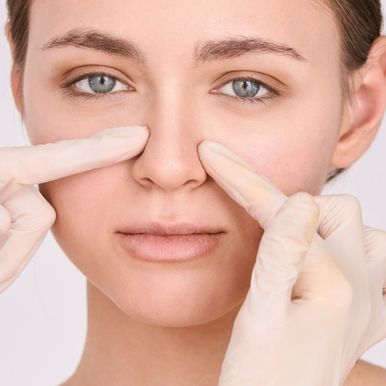
Every rhinoplasty in Los Angeles at Aesthetic and Cosmetic Surgeons begins with a thorough consultation. Dr. Jain examines the nasal structure in detail, reviews the patient's medical history, discusses their specific concerns and goals, and uses imaging to help the patient understand what the nose job can realistically achieve for their individual anatomy.

The rhinoplasty procedure takes approximately 1.5 to 3 hours, depending on complexity. It is performed under general anesthesia or local anesthesia with sedation, depending on the extent of the work and the patient's preference.

Once the incisions are made and the skin is separated from the underlying structure, Dr. Jain works directly on the bone and cartilage. A bridge bump is reduced by carefully trimming bone and cartilage. The tip is reshaped by repositioning, trimming, or grafting cartilage. Asymmetry is corrected by adjusting the framework underneath the skin. If a deviated septum is being addressed at the same time, that work happens during the same procedure.

When the reshaping is complete, the skin settles back over the new framework, the incisions are closed, and a small splint is placed over the nose to hold everything in position during the early healing phase.

Overall Rating

Who Is The Right Candidate For a Nose Job

Rhinoplasty produces the best outcomes for patients who meet specific criteria. Dr. Jain assesses every patient carefully during consultation before offering any recommendations.

General health needs to be in reasonable condition. Rhinoplasty is performed under anesthesia and requires the body to heal properly in the weeks that follow. Conditions that affect healing (uncontrolled diabetes, certain autoimmune conditions, blood disorders) need to be stable and disclosed during consultation. Patients who smoke are asked to stop several weeks before surgery and to remain stopped during recovery, because smoking restricts blood flow and directly affects how tissue heals.

The motivation needs to come from the patient themselves. Patients who have a specific, personal reason for wanting the procedure, have lived with a concern for years, a structural problem affecting their breathing, a nose that healed badly after an injury, consistently do better than patients whose motivation comes from external pressure or a temporary dissatisfaction.

Expectations need to be realistic. Rhinoplasty can make meaningful, lasting improvements. It cannot completely transform a face or produce a result that looks like a different person. Patients who understand what the procedure can and cannot achieve, and who understand that the final result takes up to twelve months to fully appear, handle the experience significantly better than those who do not.

Who Is The Right Candidate For a Nose Job

Preparing For Nose Reshaping Surgery

Preparation begins at the consultation and continues in the weeks before surgery. Dr. Jain provides specific pre-operative instructions tailored to each patient's situation.

General preparation steps include stopping smoking well before surgery, avoiding blood-thinning medications, including aspirin, ibuprofen, and certain supplements for at least two weeks before the nasal surgery, limiting alcohol intake, and completing any required pre-operative tests or imaging.

On the day of rhinoplasty surgery, patients should arrive in comfortable clothing, arrange for someone to drive them home after the procedure, and have a prepared recovery space at home with prescribed medications, ice packs, gauze, and extra pillows for keeping the head elevated.

Before & After Result videos

Rhinoplasty Surgery by Dr. Jain

Recovery After Rhinoplasty Procedure

Recovery from rhinoplasty is gradual. Most patients experience a consistent pattern of improvement week by week.

  1. Days 1 to 3 — Swelling and bruising are at their most significant. The nose feels blocked, and breathing through it is not possible due to internal swelling. Discomfort is manageable with prescribed medication. Keeping the head elevated and applying cold compresses helps reduce swelling.
  2. Days 4 to 7 — The splint comes off around day seven. Bruising begins to fade. The nose at this stage still looks swollen and does not represent the final result. Patients who are prepared for this manage the moment well.
  3. Weeks 2 to 3 — The most visible bruising has resolved. Most patients are back in daily social and professional life by the three-week mark without people around them noticing anything obvious.
  4. Months 1 to 3 — Swelling continues to resolve gradually. Breathing improves if functional corrections are made. The overall shape of the nose becomes more defined.
  5. Month 6 — The bridge and sides of the nose have largely settled. The tip still carries some residual swelling at this stage.
  6. Month 12 — The final result is now visible. The nose has fully settled into its new shape. For some patients, the complete outcome takes closer to 18 months.

Results Of Nose Surgery

The results of rhinoplasty unfold gradually over the months that follow nose surgery. Most patients see meaningful improvement by the three-month mark and the complete outcome by twelve months.

Dr. Jain's approach at Aesthetic and Cosmetic Surgeons prioritizes results that look natural and fit the individual’s face. A nose that is improved without looking operated on and that holds up over the years rather than requiring revision.

The most consistent feedback from patients at the twelve-month mark is that the result looks exactly as they hoped for. Balanced, natural, and proportionate to the rest of their face. The second most consistent feedback is that they wish they had started the process sooner.

Complementary Procedures

Some patients benefit from cosmetic procedures performed alongside or following rhinoplasty that further improve facial balance:

Chin augmentation: A recessed chin can make the nose appear larger than it is. Strengthening the chin projection through augmentation complements rhinoplasty by improving the overall profile in a way that neither procedure achieves as effectively alone.

Facial fat grafting: Restoring volume to the cheeks and under-eye area improves the overall balance of the face, producing a naturally refreshed result.

Non-surgical rhinoplasty: For patients with minor concerns or those who want to preview possible changes before committing to nasal surgery, injectable fillerscan make subtle adjustments to the nasal profile. This is not a substitute for surgical rhinoplasty but serves as a useful option for specific cases.

Dr. Jain - Personal Consultation

Why Choose Dr. Jain at Aesthetic and Cosmetic Surgeons, Los Angeles

  1. Board certification and specific expertise: Dr. Saurabh Jain is a board-certified cosmetic surgeon with specific expertise in facial procedures. Rhinoplasty is one of the most technically demanding procedures in facial surgery, and choosing a surgeon who performs it regularly and in high volume matters more than in almost any other procedure.
  2. Individualized treatment planning: No two patients have the same anatomy or the same goals. Every treatment plan at Aesthetic and Cosmetic Surgeons is built specifically around the individual patient — their nasal structure, their facial proportions, their functional concerns, and their aesthetic preferences.
  3. Transparent consultation process: Dr. Jain uses imaging during consultations to help patients understand what is realistically achievable for their specific anatomy. The consultation is a genuine discussion (not a sales process), and patients leave with a clear, honest picture of what the procedure involves and what results they can expect.
  4. Ongoing support through recovery: The recovery from rhinoplasty takes months. Dr. Jain and the team at Aesthetic and Cosmetic Surgeons provide support throughout the full recovery arc, not just in the days immediately following surgery.
Why Choose Dr. Jain at Aesthetic and Cosmetic Surgeons, Los Angeles

Schedule Your Consultation

Rhinoplasty is a significant decision, and the right starting point is a consultation with a board-certified surgeon who can look at the individual anatomy and give an honest, specific answer about what the nose job procedure can achieve.

Dr. Jain at Aesthetic and Cosmetic Surgeons, Los Angeles, offers private consultations for patients considering rhinoplasty surgery in Los Angeles, whether for cosmetic concerns, functional breathing issues, or both.

Practice address in Los Angeles: 7301 Topanga Canyon Blvd, Suite 330, Canoga Park, CA 91303

Phone number: 818-220-3393

Email or contact form link: info@aestheticandcosmeticsurgeons.com

*All procedures are performed in an accredited surgical facility meeting California state requirements for patient safety.

The information on this page is intended for general educational purposes only and does not constitute medical advice. Individual results vary. Anyone considering rhinoplasty should consult Dr. Jain for a personal assessment.

FAQ

The nose job takes 1.5 to 3 hours, depending on the complexity of the work being done. Open rhinoplasty for significant reshaping typically takes longer than closed rhinoplasty.

In open rhinoplasty, the columella incision leaves a small scar that sits in a position where it becomes essentially invisible once healed, typically within several months. Closed rhinoplasty leaves no external scarring as all incisions are inside the nostrils.

Most patients see meaningful improvement by three months. The final result is fully visible at twelve months for most patients. Significant tip work can take closer to eighteen months to fully settle.

During rhinoplasty surgery, no pain is felt; patients are under general anesthesia or sedation throughout. In the days following surgery, discomfort is the more accurate description for most patients rather than pain. Prescribed medication manages this effectively.

Yes. Many patients have both cosmetic and functional concerns, a deviated septum causing restricted breathing alongside cosmetic concerns about the shape of the nose. Both can be addressed in a single procedure, which is more efficient than two separate operations.

The best answer to this question comes from a consultation with Dr. Jain, who can assess the individual's anatomy and medical history in person. General indicators of good candidacy include completed facial development, good general health, a clear personal motivation for wanting the procedure, and realistic expectations about what surgery can and cannot achieve.

Dr. Jain has been performing cosmetic procedures for over 15 years, helping patients achieve natural-looking results while focusing on both aesthetics and nasal function. His extensive experience includes a wide range of rhinoplasty cases, from subtle refinements to more complex nasal reshaping procedures.

Rhinoplasty costs vary depending on the complexity of the procedure and the surgical approach required. During the consultation, Dr. Jain provides a detailed cost breakdown specific to the individual treatment plan.

Google reviews

Instagram
Whatsapp icon