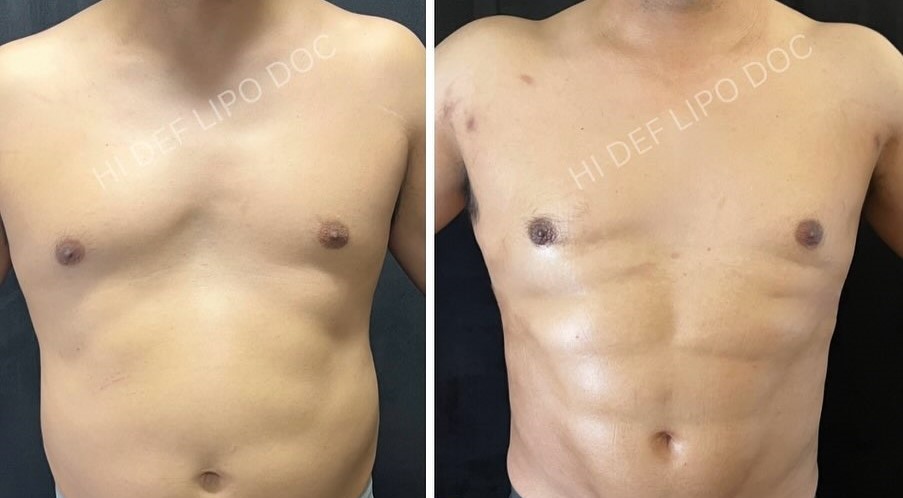
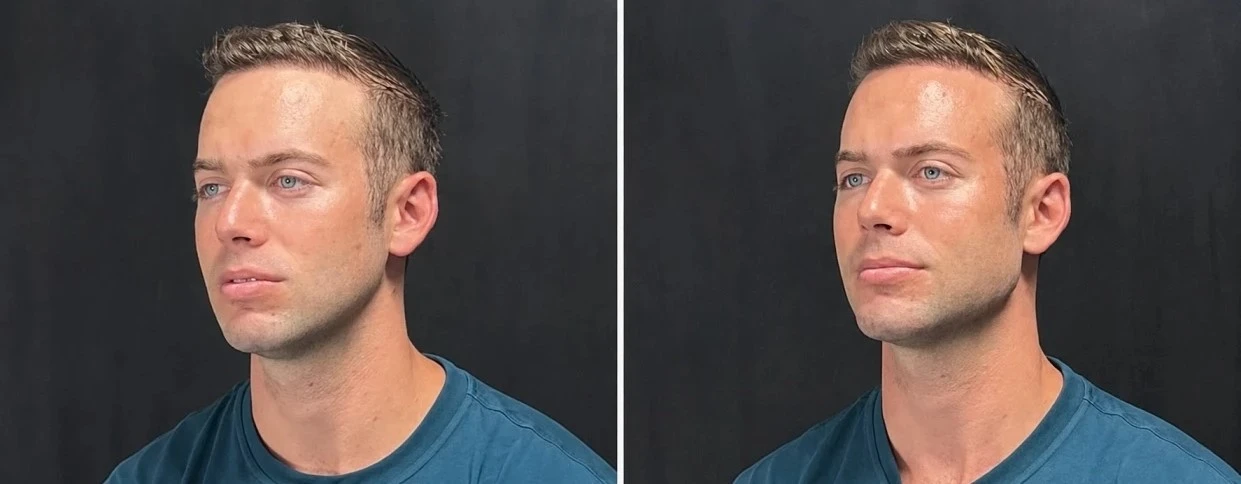
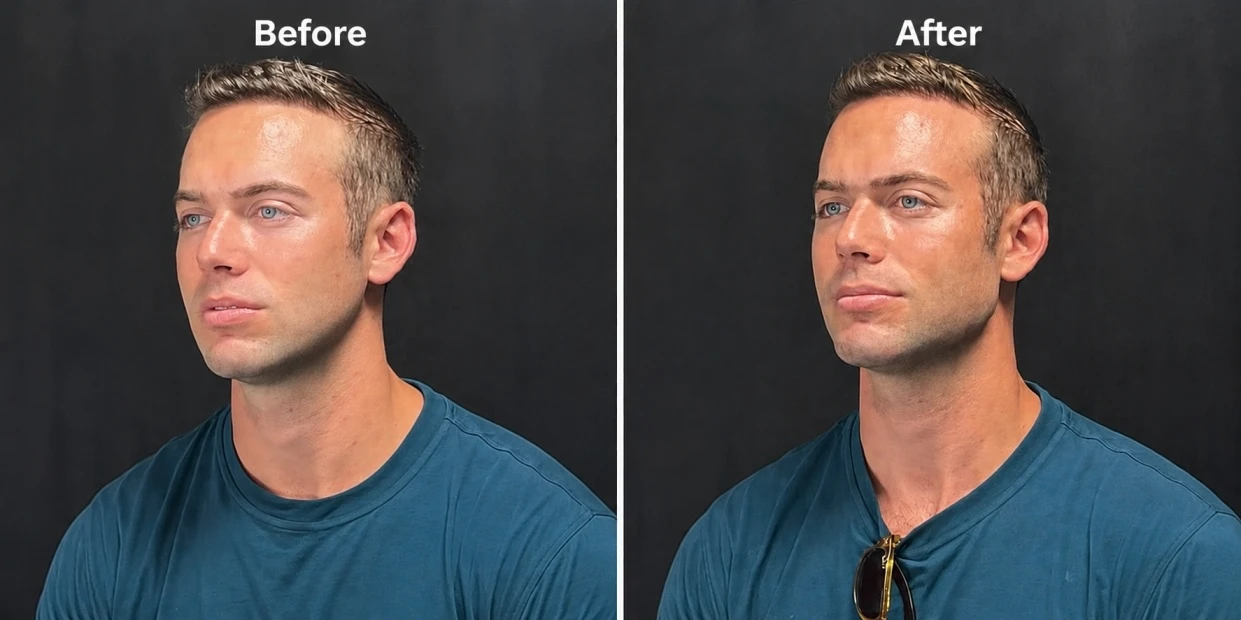
Los Angeles has more plastic and cosmetic surgeons per square mile than almost anywhere else in the country. If you've ever searched "cosmetic surgeon near me" from anywhere in the city, you already know the problem isn't finding a surgeon, it's figuring out which one actually deserves your trust. Everyone's website looks polished. Everyone claims "natural results." Everyone has a before-and-after gallery. So what actually separates a good cosmetic surgeon from a great cosmetic surgeon?
Having sat through consultations, reviewed dozens of surgeon credentials, and talked to patients who've had both wonderful and disappointing experiences, a few things consistently show up when a practice is genuinely excellent, not just well-marketed.
This gets repeated so often that people start to tune it out, but it matters more in Los Angeles than in most places, precisely because the market is so saturated. Not every surgeon performing cosmetic procedures here is board certified in plastic or cosmetic surgery.
A surgeon certified by the American Board of Plastic Surgery has gone through years of dedicated residency training specifically in this field, followed by rigorous examinations. That background shows up in the operating room, in how they handle complications, how they plan incisions, and how honestly they talk to you about what your body can and can't achieve. At Aesthetic and Cosmetic Surgeons, this certification isn't a bullet point buried on an "About" page. It's the foundation we are built on.
Here's something patients rarely expect from a first consultation: a good surgeon will sometimes talk you out of a procedure, or steer you toward a different one than the one you came in asking for.
Maybe you want a large implant size, but your body frame and skin quality suggest something more moderate would look better and age better. Maybe you're asking for a facelift when what you actually need first is skin resurfacing. A surgeon focused purely on closing the sale won't bring this up. One who cares about long-term results will, even if it means a smaller procedure or a longer conversation.
That kind of honesty is uncomfortable to market, which is probably why so few practices lead with it. But it's the single biggest predictor of whether you'll be happy with your results a year later, not just the week after surgery when swelling still hides most of the outcome.
There's a noticeable difference between a consultation designed to move you toward booking and one designed to figure out what you actually need. The first kind is rushed, scripted, and light on specifics. The second kind involves real questions about your medical history, your goals, your concerns about recovery, and sometimes your concerns about cost and timing too.
A surgeon who takes the time to understand your anatomy, your skin type, your healing tendencies, and your lifestyle is building a plan around you, not fitting you into a standard template. This is especially true for procedures like rhinoplasty or facial contouring, where even small differences in bone structure change what technique will actually work.
Los Angeles practices love to advertise their equipment: the newest laser, the latest imaging software, minimally invasive tools that promise shorter recovery. All of that can be genuinely useful. But technology is only as good as the person using it.
3D imaging, for instance, can give you a rough preview of possible results, which is helpful for setting expectations. But it's not a guarantee, and a surgeon who leans too heavily on the software instead of their own clinical judgment is missing the point of the tool. The best practices use technology to support decision-making, not to replace the surgeon's eye and experience.
Surgery day gets all the attention, but recovery is where a lot of results are actually made or lost. Swelling management, scar care, follow-up scheduling, and being available if something feels off in week two. These details matter enormously, and they're where rushed or overbooked practices tend to fall short.
A surgical team that stays engaged after the cosmetic procedure, checks in without being asked, and takes your post-op concerns seriously is doing something that's easy to overlook when you're comparing surgeons beforehand, but impossible to overlook once you're the one recovering.
Overdone results are easy to spot, and they've become something of a cautionary tale in a city known for cosmetic work. The surgeons worth trusting aim for something quieter: results that enhance your features without erasing what made your face or body yours in the first place. That takes restraint, an understanding of proportion, and honestly, a bit of artistic sense that not every technically skilled surgeon actually has.
Choosing a cosmetic surgeon in Los Angeles means sorting through a lot of options: flashy marketing, celebrity name-dropping, promises that sound too smooth to be entirely true. What actually matters is much quieter: real credentials, honest conversations, careful planning, and follow-through after the surgery is done.
If you're considering a procedure, take the time to ask questions, ask for specifics on training and outcomes, and pay attention to how a surgeon responds when you push back or bring up concerns. That response tells you more than any before-and-after photo ever will.

ROYAL COLLEGE OF
SURGEONS

MEDICAL UNIVERSITY OF SOUTH
CAROLINA

UNIVERSITY OF SOUTHERN
CALIFORNIA

AMERICAN ACADEMY OF
COSMETIC SURGERY

AMERICAN SOCIETY OF
LIPOSUCTION SURGERY