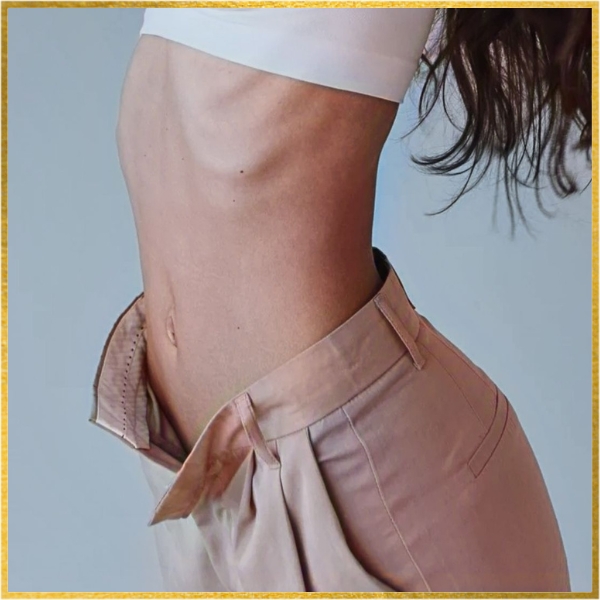


Women who wish to tighten their stomach and remove saggy skin after giving birth. Individuals who have experienced dramatic weight loss and who would like to remove excess saggy skin on their abdomen.
These are the two types of patients who approach Dr. Saurabh Jain, MD, FAACS, a board-certified cosmetic surgeon and Fellow of the American Academy of Cosmetic Surgery, at Aesthetic and Cosmetic Surgeons in Los Angeles, to explore tummy tuck surgery. A tummy tuck, also known as an abdominoplasty, is a cosmetic procedure that aims to improve the shape and appearance of the waist.
“Beyond the well-known aesthetic benefits, the tummy tuck procedure can also offer a variety of meaningful enhancements to improve a patient’s well-being and quality of life. Thanks to the surgical repair of stretched musculature typical of tummy tuck surgery, it’s not uncommon for patients to experience additional health benefits on top of the standard cosmetic refinements,” said plastic surgeon Steven Turkeltaub, MD.
With 140,000 procedures performed annually, the tummy tuck is the sixth-most popular cosmetic surgical procedure in the U.S. Here are 8 things Dr. Jain says everyone considering a tummy tuck should understand.
Tummy tucks are designed to reshape a patient's abdomen by removing excess skin and a small amount of fat. In a tummy tuck, the stretched muscles of the tummy are stitched together to flatten it. Then the skin is re-stitched to produce a toned and smoother-looking abdomen.
A tummy tuck reduces about three to four pounds of fat. Those who want to lose a substantial amount of weight should consider diet, exercise, and adjusting their lifestyle, rather than liposuction and a tummy tuck.
Many patients of Dr. Jain have lost the weight they gained during pregnancy with the help of exercise. But their bellies are no longer the same as they were before pregnancy. During pregnancy, the muscles in the abdominal wall stretch.
Sometimes, weight is not the problem, but the stretched muscle, saggy skin, and a different structure that cannot be regained through exercise is. Abdominoplasty plays a significant role in reducing all that.
There is no ideal weight limit for a tummy tuck, as long as you are healthy. However, patients should be at a stable weight where they are not going to gain or lose any more than 10% of their current weight. Cosmetic surgery is not recommended for people with a BMI higher than 35 because there is a higher risk of complications.
If you are 160 pounds but you would like to be 120 pounds, then this is not the time for a tummy tuck surgery. But if you are comfortable with your weight and want to get rid of the extra flab and saggy muscles, a tummy tuck surgery will help you get there.
Some people think they should go on a diet before getting a tummy tuck to lose the extra weight. But this makes the result worse: Many times, patients' diet prior to surgery, thinking they are going to get a better outcome. The surgery can actually be suboptimal following crash diets because your body has less protein and nutrients.
A lot of people who undergo cosmetic surgery want to have several parts of their bodies improved. An abdominoplasty can be combined with other cosmetic surgery procedures. For instance, someone who has a tummy tuck after significant weight loss may also wish to have other body parts tightened, such as the neck or arms. For women who have given birth, a tummy tuck is often done in conjunction with a breast lift, reduction, or enlargement.
“Aside from saving time, combining several plastic surgery procedures into one operation saves money because you only pay one anesthesia fee. Plus, it reduces your anesthesia exposures and the risks involved each time you go under,” mentioned the American Society of Plastic Surgeons.
There have been great advances in the past 20 years in tummy tuck surgery. A tummy tuck used to require overnight stays in the hospital for numerous days. It's now a two- or three-hour procedure at a surgical center.
There are several factors why a tummy tuck procedure no longer requires an overnight stay. Such advancements include:
“Today's tummy tuck techniques not only offer safer and much more effective solutions, but also cut down on recovery and healing time and provide better results,” mentioned the American Society of Plastic Surgeons.

ROYAL COLLEGE OF
SURGEONS

MEDICAL UNIVERSITY OF SOUTH
CAROLINA

UNIVERSITY OF SOUTHERN
CALIFORNIA

AMERICAN ACADEMY OF
COSMETIC SURGERY

AMERICAN SOCIETY OF
LIPOSUCTION SURGERY