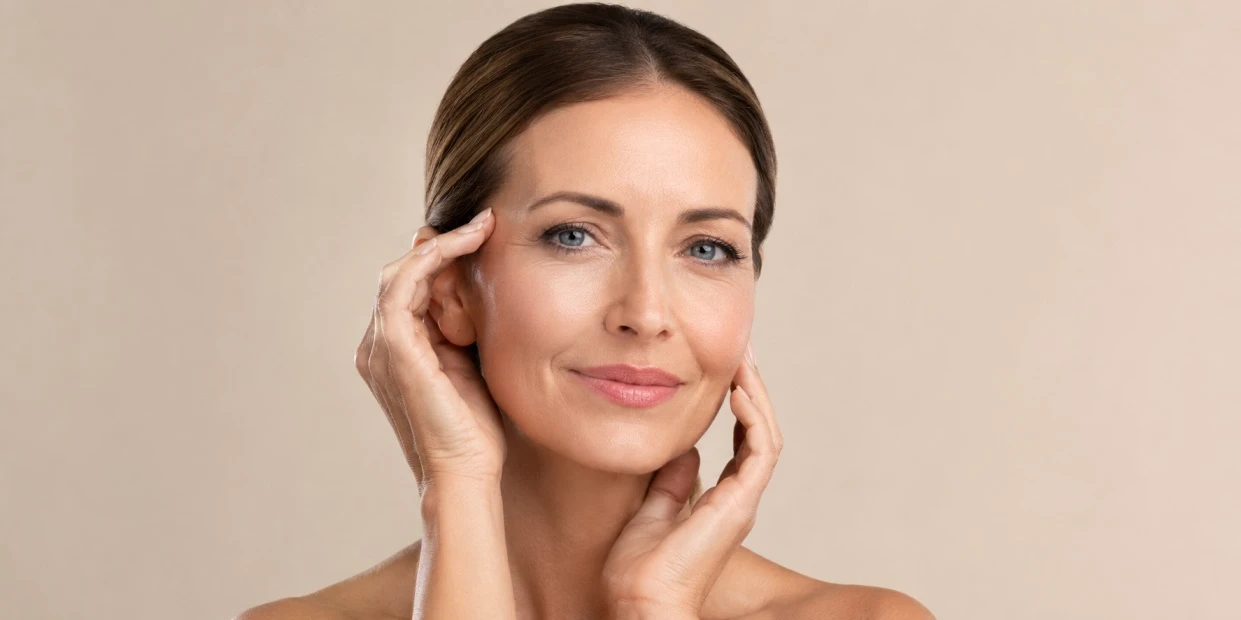
Facial aging is not only about getting wrinkles, but it is also due to the loss of volume in the important areas of the face. As fat pads shrink and shift over time, the face can appear tired, hollow, or sagging. Fat transfer to the face, also referred to as facial fat grafting, is a natural and effective procedure that replaces lost fat through the use of the patient's own fat.
This procedure has gained a great deal of popularity due to its long-lasting, natural-looking outcomes without synthetic fillers.
The process of fat transfer to face is a cosmetic procedure and entails three steps:
Since the process involves your own fat, the fat transfer to face procedure is biocompatible, less prone to allergic reactions and produces a less natural look when compared to synthetic fillers.
You may be a good candidate if you:
Fat transfer is most often used for patients who want a natural improvement and not a dramatic result.
The Fat Transfer to Face procedure starts with mild liposuction to strip off the fat from the donor sites, such as:
Fat is extracted carefully with the help of a small cannula, causing very little trauma to the fat cells. Facial fat grafting surgery is carried out either under local anesthesia or general anesthesia, depending on the treatment program.
Once harvested, the fat undergoes purification to remove:
Fat cells that are the best and most viable are chosen. The facial fat transfer procedure is essential as it has a direct effect on long-term outcomes.
The specified pure fat is subsequently injected into the selected parts of the face through micro-cannulas.
Common treatment areas include:
The cosmetic surgeon layers the fat in grains to make sure:
This meticulous practice is important for smooth and prolonged results.
Fat transfer can restore volume and improve skin quality in:
Besides volume, fat has stem cells, which can eventually enhance the quality of the skin as far as its texture and elasticity are concerned.
Fat Transfer to Face results are permanent. Some of the fat transferred is naturally reabsorbed in the first few months, and the remaining fat becomes permanent on the face.
Most cosmetic surgeons mildly overfill the area to consider for this initial absorption.
The outcome is generally long-lasting, and fat transfer is durable compared to dermal fillers.
The recovery is generally well tolerated.
What to expect:
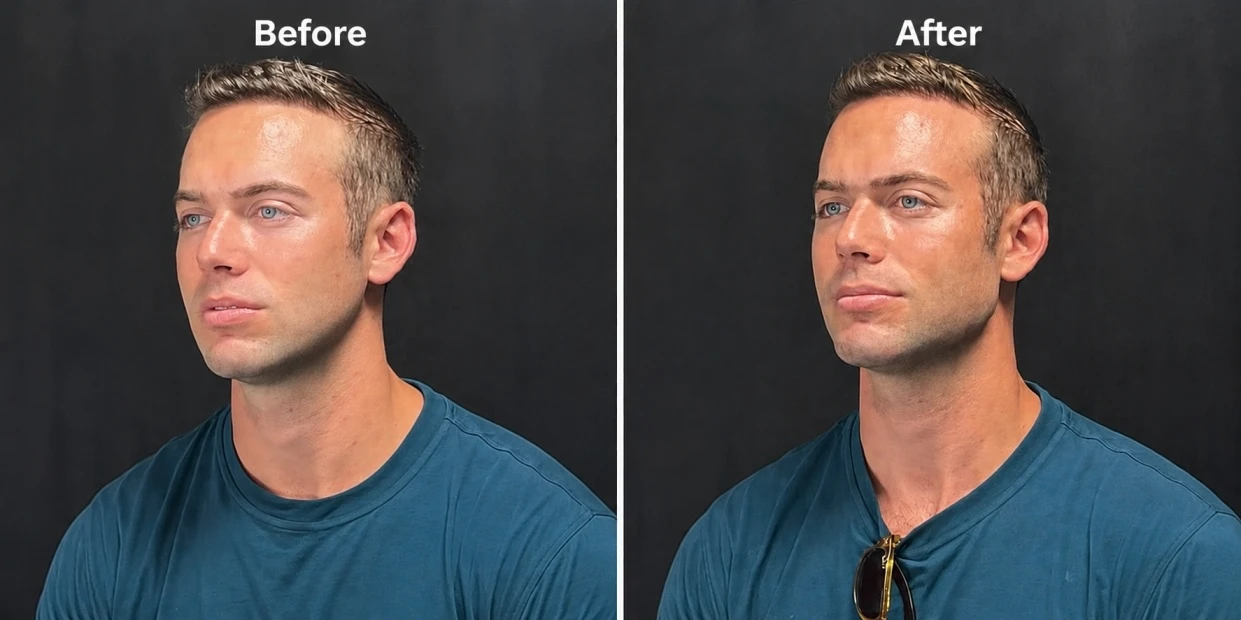
The majority of the patients resume normal activities in 7-10 days, and the outcomes of the surgery can be observed in 3-6 months.
Facial fat transfer is a safe procedure when done by a skilled cosmetic surgeon like Dr. Saurabh Jain.
Because your own fat is used:
To prevent such complications such as asymmetry or uneven texture, it is necessary to select a cosmetic surgeon who is experienced.
| Feature | Fat Transfer | Dermal Fillers |
|---|---|---|
| Material | Your own fat | Synthetic |
| Longevity | Long-term | Temporary |
| Look & feel | Very natural | Natural but firmer |
| Cost over time | Cost-effective | Repeated treatments |
| Added benefit | Skin quality improvement | Volume only |
The fat transfer to face procedure is best for those patients who are interested in long-term facial rejuvenation.
Fat transfer to the face is an effective, natural technique for facial rejuvenation. It improves balance on the face, softens aging features, and provides long-term and natural effects by adding lost volume with your own fat.
For patients who want to enjoy a safe, effective, and holistic method of facial rejuvenation, fat transfer to face is a cosmetic and regenerative option.

ROYAL COLLEGE OF
SURGEONS

MEDICAL UNIVERSITY OF SOUTH
CAROLINA

UNIVERSITY OF SOUTHERN
CALIFORNIA

AMERICAN ACADEMY OF
COSMETIC SURGERY

AMERICAN SOCIETY OF
LIPOSUCTION SURGERY