
Written by: Aesthetic & Cosmetic Surgeons Editorial Team
Medically Reviewed by: Dr. Saurabh Jain, MD, FAACS (Last Updated: August, 2026)
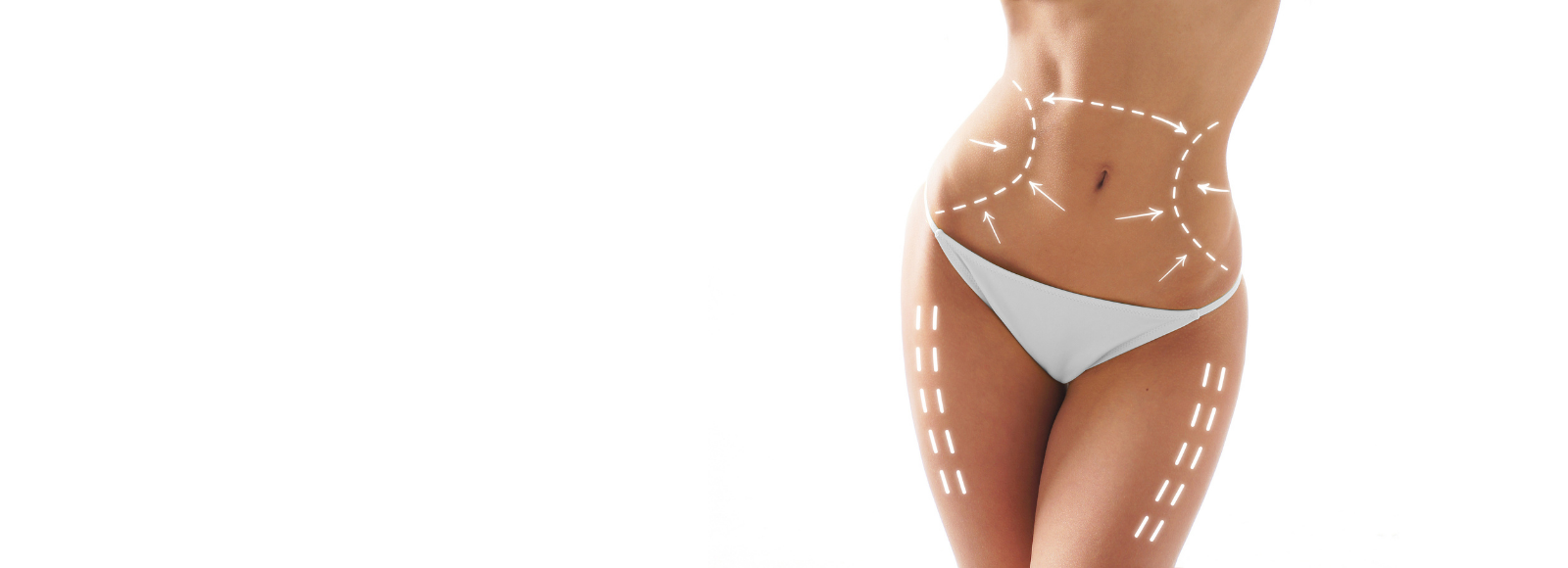
Liposuction fat transfer (also called autologous fat grafting or lipofilling) is a two-part procedure. First, unwanted fat is removed from one area of the body like the abdomen, flanks, or back using liposuction technique. That fat is then purified and re-injected into another area, such as the breasts, buttocks, or face, to add natural volume.
At Aesthetic and Cosmetic Surgeons in Los Angeles, this procedure is performed using local anesthesia and oral or IV sedation rather than general anesthesia. Incisions are small (approximately 2-4 millimeters).
The graft material is the patient's own fat, so there is no foreign implant material involved, and this eliminates the specific risks associated with implant rupture, leakage, or an allergic/immune reaction to a synthetic device. It does not, however, eliminate all surgical risk (see "Risks and Considerations" below).
Medical disclaimer: The information on this page is for general educational purposes only and does not constitute medical advice. It is not a substitute for an in-person consultation, examination, and individualized recommendation from a licensed, board-certified surgeon. Results, risks, and recovery vary by patient.
This is a real surgical procedure, not a walk-in cosmetic treatment. It carries the general risks of any liposuction and grafting procedure, discussed below.
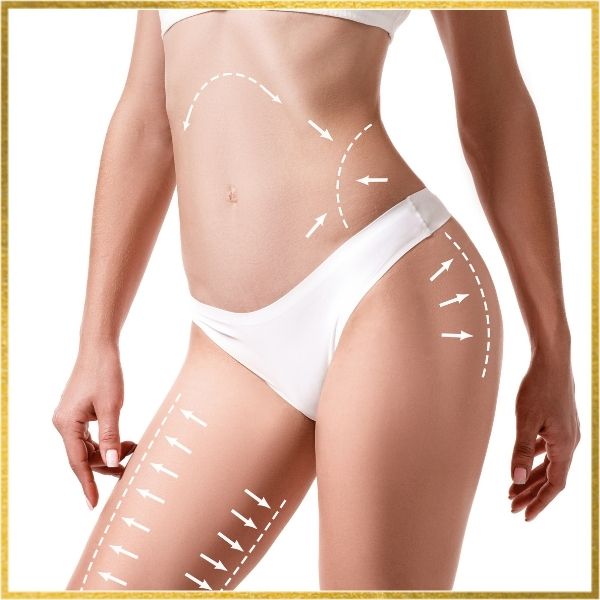
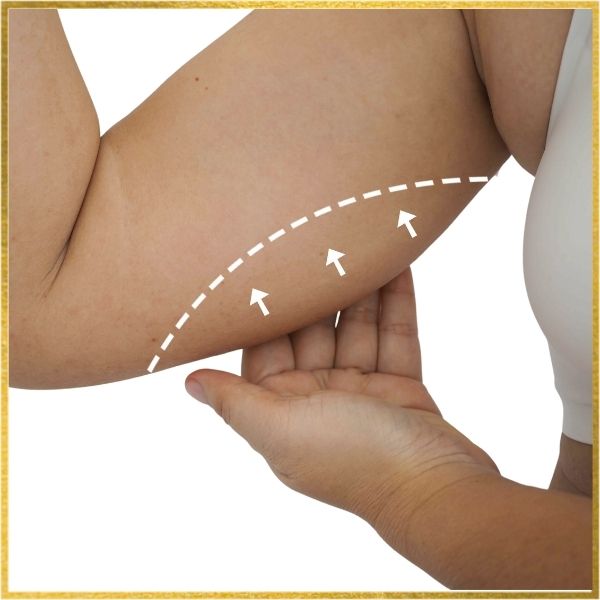
Fat harvested from the abdomen, flanks ("love handles"), thighs, or back can be grafted into areas including:
Fat transfer requires the patient to have enough donor fat available to harvest and graft in meaningful volume. It is not appropriate for very lean patients seeking large-volume augmentation. Your surgeon will evaluate whether you're a good candidate based on your health history, goals, and available donor fat.
You may not be a good candidate if you:
A full medical history review and in-person consultation is required before any surgical planning.


As with any surgical procedure, liposuction with fat transfer carries risks. These should be discussed in detail with your surgeon before consenting to treatment. Reported risks include:
Board certification matters, but verify it yourself. Confirm any surgeon's certification directly through the American Board of Plastic Surgery or American Board of Facial Plastic and Reconstructive Surgery verification tools, and ask to see a substantial portfolio of the surgeon's own recent work in the specific procedure you're considering.
When to contact your surgeon's office right away: fever, spreading redness, significant increasing pain, drainage/pus from an incision, or shortness of breath/chest pain (which could signal a rare but serious complication and warrants emergency care).

Liposuction fat transfer pricing varies based on:
Because of this variability, an accurate quote requires an in-person or virtual consultation and assessment of your goals and anatomy. Financing options (including Affirm) are available for qualified patients. We recommend comparing quotes based on the surgeon's specific technique and experience, not on price alone, given the safety considerations above.
Schedule a consultation for a personalized quote.
Dr. Saurabh Jain, MD, FAACS is the founder of Aesthetic and Cosmetic Surgeons in Los Angeles and has practiced surgery for over two decades.
Every patient's anatomy, goals, and risk profile are different. Schedule an in-person consultation for Liposuction Fat Transfer with Dr. Saurabh Jain to get an individualized assessment, honest expectations about your likely outcome, and a personalized cost estimate.
Fat that successfully establishes a blood supply after grafting is considered a permanent part of the tissue. However, not all grafted fat survives the transfer. Typically 15-20% is reabsorbed by the body within the first 6-12 months. Surgeons account for this during the procedure, and results are generally considered stable after this reabsorption period. Following post-graft care instructions closely supports better long-term retention.
Fat can be harvested from areas like the abdomen, flanks, back, and thighs, and grafted to areas including the lips, breasts, buttocks, hips, and face.
Because the procedure typically uses local anesthesia rather than general anesthesia, most patients return to daily activities within a few days to two weeks. Bruising and swelling can take longer to fully resolve.
Local anesthetic is used at both the donor and recipient sites to minimize discomfort during the procedure. Most patients report the recovery discomfort is manageable with prescribed pain medication, though individual pain tolerance varies.
Like any surgical procedure, it carries risk. Reported complications include hematoma, fat necrosis, infection, contour irregularity, and, rarely, fat embolism. Discuss your personal risk factors and the surgeon's specific technique with your provider before proceeding. See "Risks and Considerations" above for detail.
On average, roughly 15–20% of injected fat volume is reabsorbed by the body within 6–12 months post-procedure; the remainder that establishes blood supply is generally stable long-term.
Because the fat is autologous (the patient's own tissue), immune rejection in the way it can occur with foreign implants does not apply. However, individual fat cells can still fail to survive the graft process, which can result in fat necrosis or small oil cysts rather than the fat cells simply "not growing."
Your surgeon will provide specific instructions based on the treatment area(s), which may include activity modifications, compression garments, and follow-up visits, for several weeks after the procedure to support optimal healing and fat graft survival.

ROYAL COLLEGE OF
SURGEONS

MEDICAL UNIVERSITY OF SOUTH
CAROLINA

UNIVERSITY OF SOUTHERN
CALIFORNIA

AMERICAN ACADEMY OF
COSMETIC SURGERY

AMERICAN SOCIETY OF
LIPOSUCTION SURGERY