



Written by: Aesthetic & Cosmetic Surgeons Editorial Team
Medically Reviewed by: Dr. Saurabh Jain, MD, FAACS (Last Updated: August, 2026)
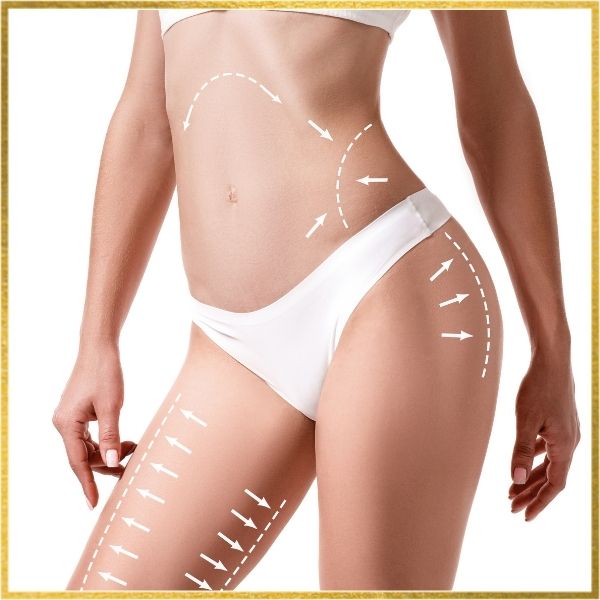
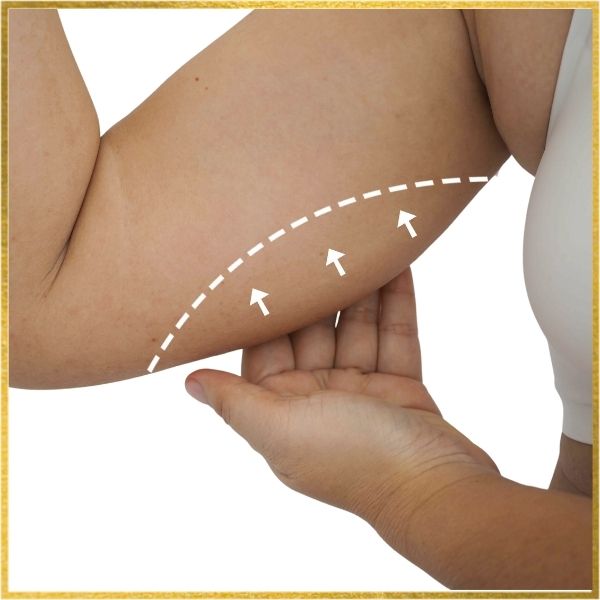
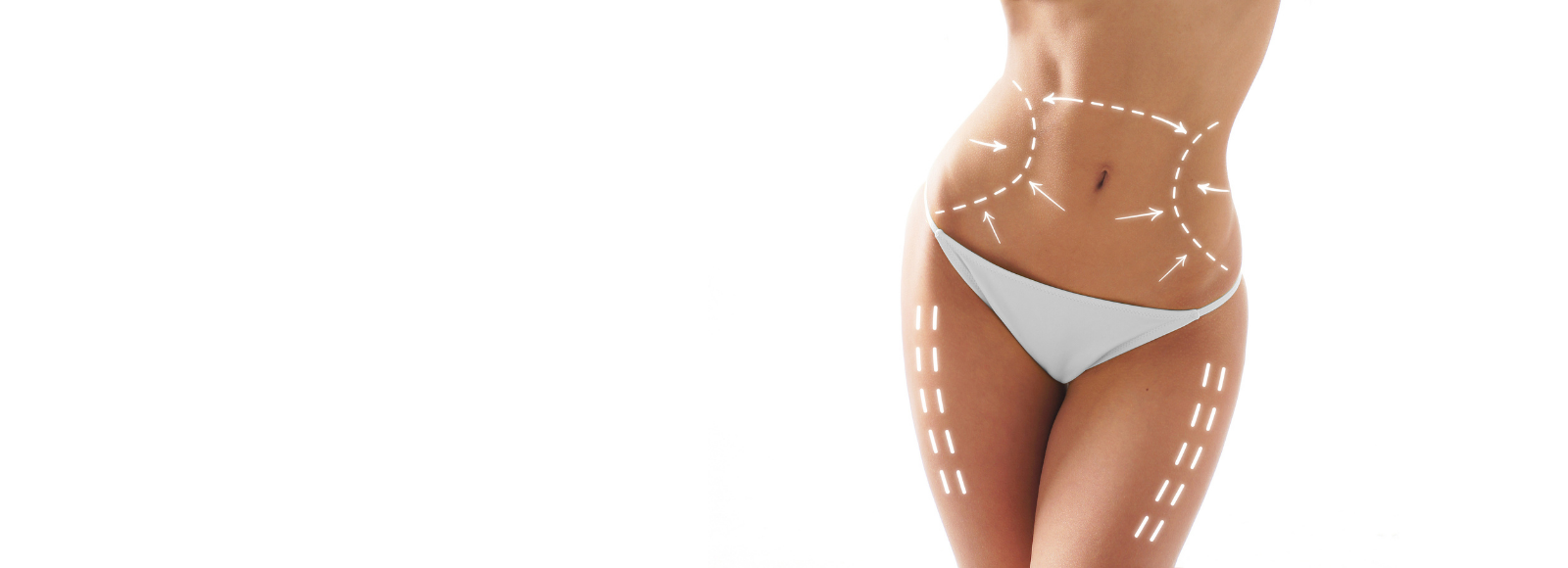
Liposuction fat transfer (also called autologous fat grafting or lipofilling) is a two-part procedure. First, unwanted fat is removed from one area of the body like the abdomen, flanks, or back using liposuction technique. That fat is then purified and re-injected into another area, such as the breasts, buttocks, or face, to add natural volume.
At Aesthetic and Cosmetic Surgeons in Los Angeles, this procedure is performed using local anesthesia and oral or IV sedation rather than general anesthesia. Incisions are small (approximately 2-4 millimeters).
The graft material is the patient's own fat, so there is no foreign implant material involved, and this eliminates the specific risks associated with implant rupture, leakage, or an allergic/immune reaction to a synthetic device. It does not, however, eliminate all surgical risk (see "Risks and Considerations" below).
Medical disclaimer: The information on this page is for general educational purposes only and does not constitute medical advice. It is not a substitute for an in-person consultation, examination, and individualized recommendation from a licensed, board-certified surgeon. Results, risks, and recovery vary by patient.